Wellington’s gardens sit in a unique coastal climate—brisk winds, changeable rainfall and warm summer spells mean irrigation needs to be smart, not just frequent. Efficient watering schedules keep plants healthy, cut water bills, and help comply with local restrictions during dry spells. This article outlines practical, garden-friendly approaches to scheduling irrigation that suit Wellington’s conditions.
Water-efficient irrigation schedules for Wellington gardens
Designing a water-efficient schedule starts with knowing your garden: soil type, plant groups and microclimates all influence how often and how long you should water. Heavy clay holds moisture longer but accepts water slowly, so shorter, staggered runs prevent runoff; sandy soils drain quickly and benefit from more frequent, shorter irrigations to keep the rootzone moist. Group plants with similar water needs into the same zone so each receives the right amount without waste.
Use root-depth and plant type to set run times rather than a one-size-fits-all clock. Deep-rooted native plants and established shrubs generally need less frequent, deeper watering to encourage roots to grow down; shallow-rooted lawns and annuals will require shorter, more regular cycles. Measure what your system delivers with a few catch cans placed around a zone—this simple test tells you how long it takes to supply an even soak so you can set accurate run times and avoid over-watering.
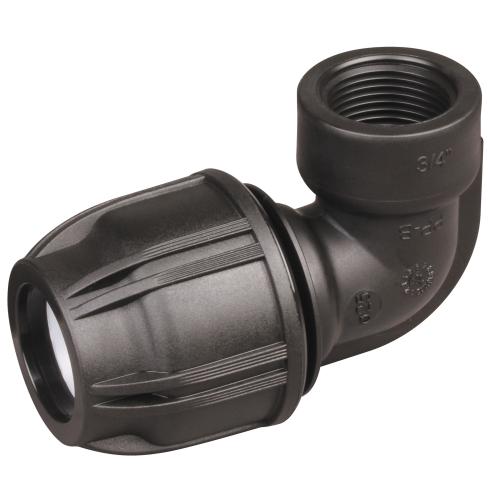
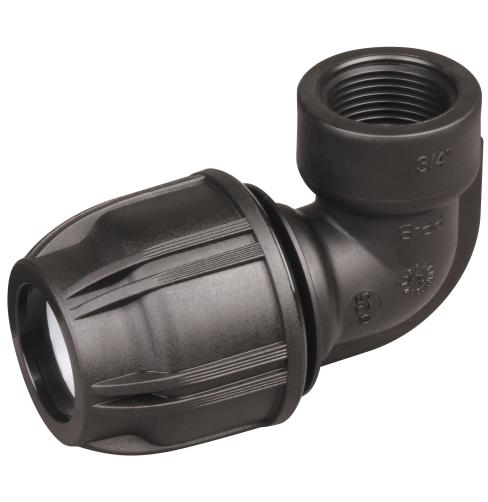
Investing in the right hardware makes a big difference. A good controller, pressure-regulated sprinklers or drip lines and a rain sensor reduce waste and keep performance consistent; local suppliers can help you match components to your garden’s needs—see options for irrigation supplies if you’re upgrading or replacing equipment. Regular maintenance—checking for leaks, broken nozzles and blocked drippers—ensures the schedule you set is the schedule that actually happens, not one undermined by silent failures.
Smart watering times, zones and seasonal adjustments
Timing is one of the simplest ways to boost efficiency. Watering in the early morning, typically between 4:00–7:00 am, minimises evaporative losses and allows foliage to dry before wind picks up; avoid midday and late-afternoon watering when winds and sun increase evaporation. On very windy days, delay or shorten runs—Wellington’s gusty conditions make late afternoon particularly wasteful because wind scatters spray and increases drift.
Zoning matters: separate lawn areas from garden beds, and isolate water-thirsty vegetable patches and newly planted areas so each zone gets tailored attention. Use drip irrigation or micro-spray for beds to target the root zone and reduce surface losses, while rotary or pop-up sprinklers are generally best for lawns. Smart controllers and soil moisture sensors can automate these distinctions by running zones only when needed—consider looking into smart controllers and sensors to add responsiveness to your system.
Seasonal adjustments keep water use in tune with actual demand. In winter and during periods of natural rainfall, reduce or suspend scheduled runs and rely more on rain sensors or manual checks; in summer, increase run frequency but focus on deeper cycles that encourage strong root systems. Keep a simple log for a season or two—note how often you water, any rainfall and plant responses—so you can refine schedules year by year; small tweaks based on local experience often yield the best long-term savings and plant health.
Efficient irrigation in Wellington is about matching water to need—consider soil, plant type, wind and season rather than sticking to a rigid timer. With thoughtful zoning, smart timing and a few modern tools, you can keep your garden thriving while conserving water and avoiding unnecessary expense. Start by checking what your system actually delivers, make incremental adjustments, and you’ll quickly see healthier plants and a lower water bill.