This Practical Residential Irrigation Guide for Dunedin Homes is written to help you plan and run an efficient, water-wise irrigation system that suits our local climate and typical residential properties. Whether you have a compact lawn, a terraced garden, or a more extensive established landscape, simple planning steps will save water, reduce costs, and keep plants healthy. Read on for practical planning advice and system choices tailored to Dunedin conditions.
Practical Irrigation Planning for Dunedin Homeowners
Start your planning by mapping the property and noting microclimates: sunny slopes, shady corners, exposed coastal windward areas, and spots prone to frost. Mark existing water sources (mains, tanks, or bore), meters, and any obstacles such as paved areas, garden beds, or steep drops. Understanding your soil types—where you have heavier clay, free-draining sand, or compacted turf—will guide emitter selection and irrigation run times because each soil stores and delivers water differently.
Next, group plants by water needs (hydrozoning) so high-water-demand lawns and thirsty ornamentals are zoned separately from native or drought-tolerant beds. In Dunedin, spring frosts and cool summers mean many plants need less frequent, deeper watering rather than short surface wetting; lawn health often improves with longer, less-frequent applications. Also check the Dunedin City Council for seasonal water-use restrictions or advice—being aware of local rules avoids fines and helps you schedule irrigation legally and responsibly.
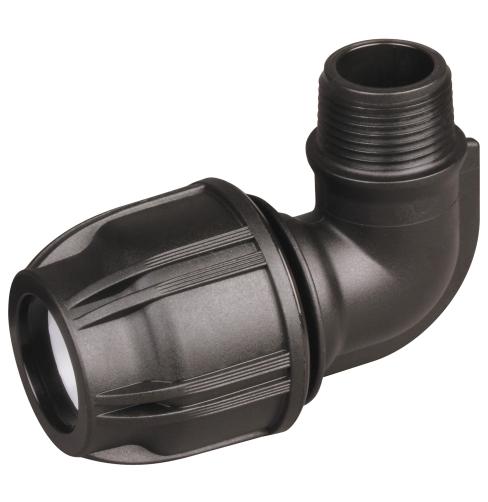
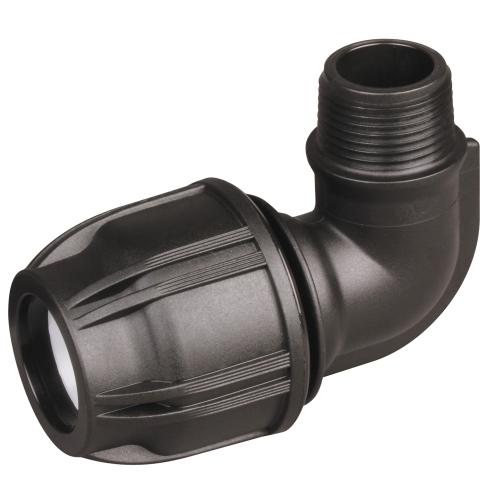
Finally, calculate flows and pressures to size pipes and choose valves correctly—underrated pumps and small pipe diameters create inefficient systems and uneven coverage. For simple DIY installs, buy quality components and layout materials that match your flow calculations; if you’re unsure, a professional design can save money over time. For parts and straightforward kits, local homeowners often rely on reputable suppliers for no-fuss purchases of heads, valves, and fittings—search for trusted sources like irrigation supplies to compare options.
Choosing Efficient Systems and Water-Wise Tips
Match the system type to the planting: pop-up rotors and sprinklers suit lawns and larger turf areas, micro-sprays are good for mixed border plantings, and drip or trickle lines are ideal for garden beds and hedging. Drip systems place water at the root zone so less evaporates, which is especially beneficial on exposed sites and for new plantings. For sloping sections, drip and pressure-compensated emitters prevent runoff and ensure even distribution down the grade.
Invest in a smart controller and sensors to maximize efficiency—rain sensors, soil moisture probes, and weather-responsive controllers cut unnecessary watering during wet periods and after rainfall. Linking a timer to a rain shutoff device or a smart irrigation controller that uses local weather data reduces water use and keeps your system responsive to Dunedin’s changeable conditions. Complement technology with practices such as mulching beds, improving soil organic matter, and mowing lawns at a slightly higher height to retain moisture naturally.
Maintenance and seasonal care keep systems running efficiently year after year: flush lines at the start of each season, check nozzles and emitters for clogging, inspect for leaks and broken heads after frosts, and winterize pumps and backflow devices as required. Simple annual checks—pressure tests, valve operation, and controller schedule updates—prevent wasted water and costly repairs. If you prefer a hands-off option, local installers can provide service plans and upgrades to pressure-regulating gear, filters, and timers so your Dunedin landscape stays healthy with minimal hassle.
Thoughtful planning, the right system choice, and regular maintenance will make irrigating a Dunedin home efficient and sustainable. By grouping plants, sizing systems to local soils and flows, and adding sensors or smart control, you’ll cut water waste and protect your garden through the seasons. For parts, advice, and a range of system components, explore reputable suppliers and consider professional help if your layout is complex—small upfront planning saves water, time, and money long term.