Dunedin’s coastal climate — cool summers, regular winds, and occasional frosts — shapes how homeowners should think about watering lawns and gardens. A practical residential irrigation plan balances plant needs, local weather patterns, and efficient hardware to keep outdoor spaces healthy without wasting water. This guide walks through smart planning and how to choose reliable, locally appropriate sprinklers and systems.
Smart Irrigation Planning for Dunedin Homes
Start by mapping your yard into irrigation zones based on sun exposure, plant types, and soil. Lawns need different run times than native shrubs or vegetable beds; grouping similar water needs reduces over- or under-watering. Test soil texture (sand, silt, clay) and infiltration rates — sandy soils need more frequent, shorter watering while clay holds moisture longer but demands slower application to avoid runoff.
Factor in Dunedin’s seasonal climate when setting schedules. Summers are relatively cool but can still produce dry spells, while spring and autumn bring rain that may reduce irrigation needs. Use shorter, more frequent cycles for shallow-rooted turf and longer, less frequent cycles for deep-rooted shrubs; adjust timings for wind and frost risk, which can increase evaporation or damage tender shoots.
Use technology and simple sensors to refine watering rather than relying on fixed timers alone. A smart controller or a soil moisture sensor will reduce unnecessary irrigation by responding to rainfall and actual soil moisture. For parts and components, many homeowners find it convenient to source quality irrigation supplies online or through local suppliers who understand Dunedin conditions.
Choosing Reliable Sprinklers and Systems Locally
Select sprinkler heads and nozzles designed for the scale and shape of each zone: pop-up sprays for small, even lawns; rotary or rotor heads for larger areas; and drip or micro-spray systems for garden beds and hedges. Pressure-compensating drippers keep flow even across long runs, and matched precipitation rate (MPR) nozzles improve uniformity across mixed heads. Match head spacing to nozzle patterns to avoid dry spots and overspray onto paths or driveways.
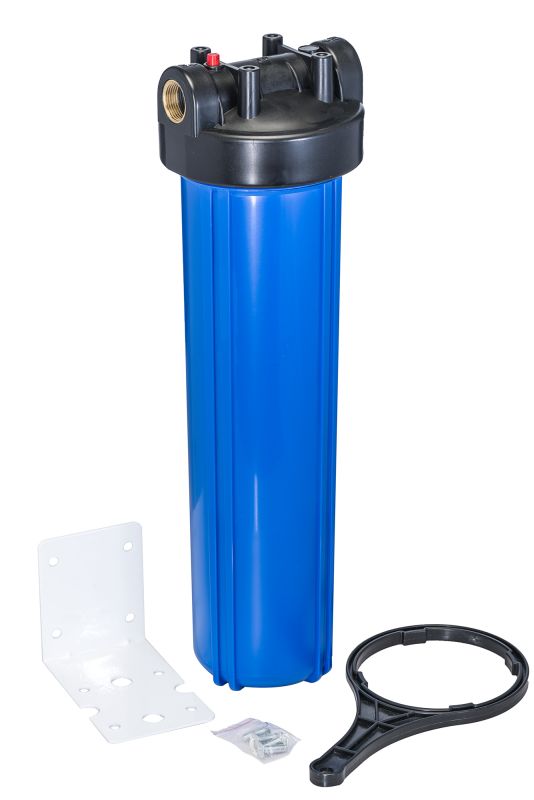
Durability matters in coastal Dunedin environments where UV, wind-blown salt, and temperature swings can stress components. Choose UV-resistant plastics, stainless or brass fittings where exposed to corrosion, and reliable solenoid valves from reputable brands. Don’t forget backflow prevention to protect potable water, and proper filtration on drip systems to prevent clogging — both are essential parts of a long-lasting system.
For installation and parts, look for local vendors and installers who can advise on site-specific needs and building code requirements. A professional installer will size pipework, set proper static pressure and flow, and program controllers with seasonal adjustments. If you prefer DIY, reputable online retailers can supply parts; for example, many homeowners buy controllers and nozzles from trusted sprinkler systems suppliers and then consult local experts for setup and winterising advice.
A well-planned irrigation system for Dunedin homes combines zoning, soil-appropriate scheduling, and durable hardware to match local climate quirks. Use smart controls and sensors to cut waste, choose the right heads and fittings for each zone, and source components from knowledgeable local suppliers or installers for best results. Regular checks and seasonal adjustments will keep your garden healthy while conserving water and protecting your investment.