Choosing the best irrigation system for a New Zealand garden means balancing water efficiency, plant needs, local climate and your budget. Whether you care for a small urban courtyard, a lifestyle block in Canterbury, or a coastal garden in Northland, the right system will save time, conserve water and help your plants thrive. This article walks through practical factors to consider and compares the common options so you can make an informed choice.
Selecting the Right Irrigation System for NZ Gardens
Start by assessing your garden’s specific conditions: soil type, slope, plant mix and sun exposure. Heavy clay holds water differently than free-draining sandy soils, and steep slopes will influence pressure and run-off. Think about zones you’ll need to water separately — lawns will typically need different flow and frequency than vegetable beds, shrubs or potted plants — and factor that into system design and controller programming.
Water availability and local restrictions are a New Zealand reality, especially in summer droughts. Check regional council rules about bore use, water metering and summer restrictions before installing a permanent system. Also plan for water efficiency: mulching, grouping plants by watering needs (hydrozoning) and using timers or sensors will reduce waste, and choosing the right emitters or spray patterns will avoid overspray onto driveways or footpaths.
Budget and maintenance commitments are equally important. DIY kits and simple timer-based sprinkler setups can be inexpensive upfront but may waste water or require more tinkering; professional design and installation cost more but can yield long-term savings and better reliability. Source quality parts from reputable suppliers — for components and advice you can look at a local irrigation supplies provider — and keep a simple maintenance schedule to flush filters, check heads and replace worn components annually.
Comparing Drip, Sprinkler and Smart Options in NZ
Drip irrigation is the most water-efficient choice for garden beds, hedges and trees because it delivers water directly to the root zone, reducing evaporation and runoff. It’s especially effective in raised beds and vegetable patches; drip systems are tolerant of irregular bed shapes and can be tailored with different emitter rates. However, they require filtration to avoid clogging, and on exposed lawns or areas where aesthetic spray coverage is needed, drip is less appropriate — for those, a sprinkler solution may be better.
Sprinkler systems work well for lawns and larger open areas because they provide even coverage and can be mounted or pop-up for neat appearance. They’re simple to design for flat areas and are easy for homeowners to understand, but they use more water and can be affected by wind. Choose sprinklers with matched precipitation rates and adjust head spacing to minimise overlap; consider using rotary nozzles or multi-stream heads that perform better in breezy conditions common in some NZ regions.
Smart irrigation controllers and sensor-driven systems are increasingly popular across New Zealand because they adapt watering schedules to weather, soil moisture and evapotranspiration. These systems save water and reduce the need for manual adjustments, making them ideal for busy homeowners or areas with variable climate patterns. Smart controllers can integrate with drip or sprinkler layouts, and for parts and compatible components you can explore options at an irrigation supplies site — just ensure the smart device supports local Wi-Fi or has an offline scheduling fallback for rural properties.
Choosing the best irrigation system for your NZ garden comes down to matching plant needs, site conditions and your willingness to maintain the system. Evaluate soil, zones and local rules first, then pick the technology — drip for beds, sprinklers for lawns, and smart controllers for efficiency — that best fits those needs.
Investing in good design and quality components pays off in water savings and healthier plants. With a little planning and the right gear, your garden will get exactly the water it needs while protecting New Zealand’s precious water resources.
-
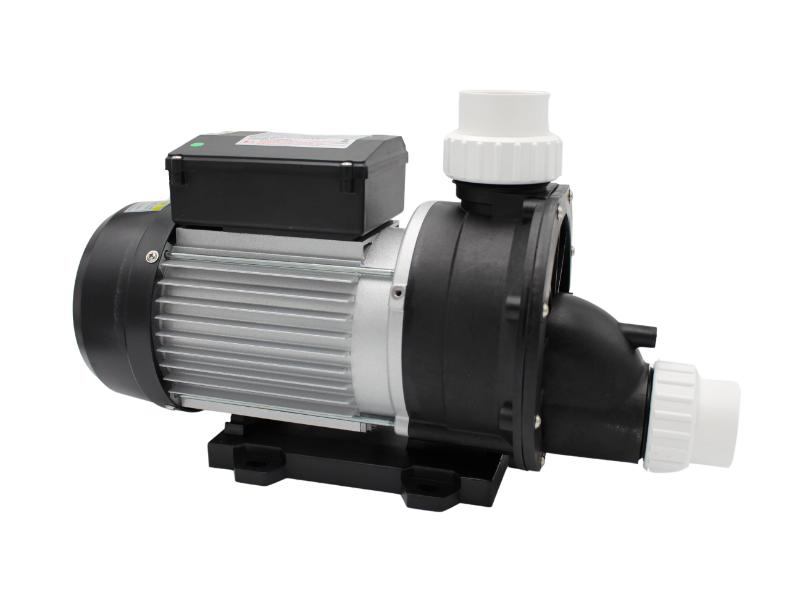
Trevoli TDA200
$420.00 -
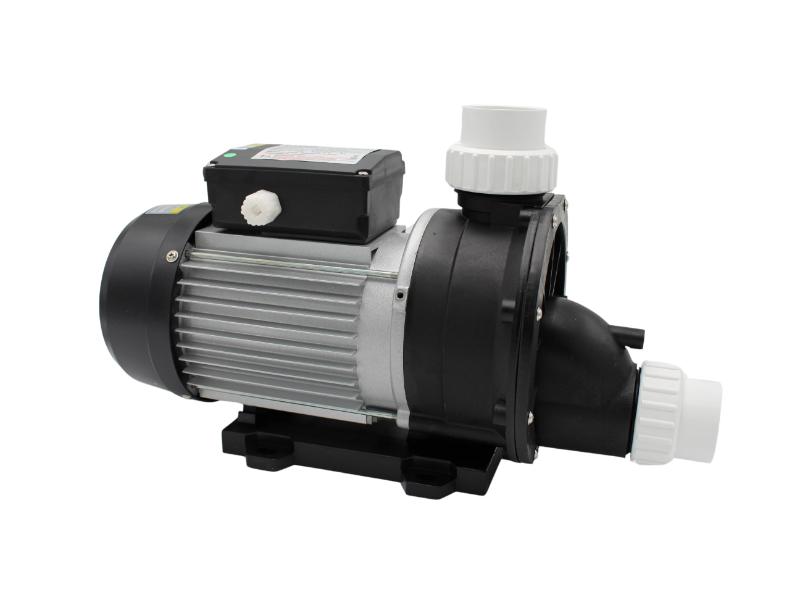
Trevoli TDA150
$386.00 -
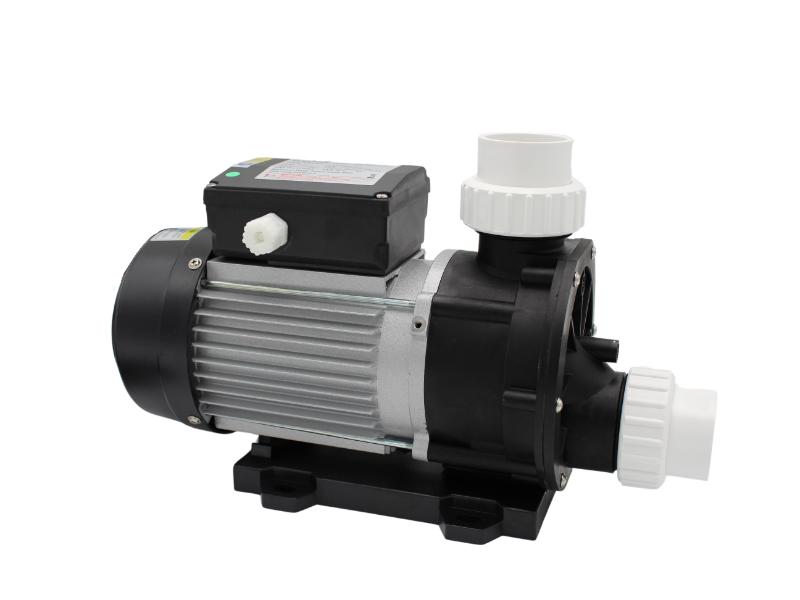
Trevoli TDA100
$330.00 -
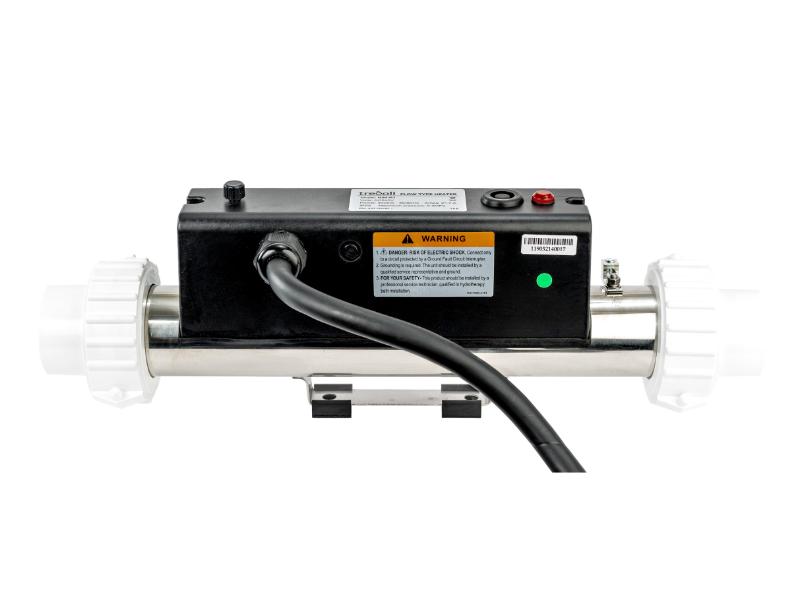
H50-R1
$234.00